

How To Choose The Right Retinol Cream
Retinol remains the gold standard for collagen induction and cellular turnover, yet for those with sensitive skin, it often feels like a gamble with your complexion. The challenge isn't the ingredient itself, but the formulation's ability to deliver potency without compromising an already fragile lipid barrier. Choosing the right product requires a shift in strategy: prioritizing encapsulation technology and barrier-supporting emollients over raw concentration percentages.
Quick Answer
For sensitive skin, prioritize retinol products that utilize encapsulation technology or gentler derivatives like retinaldehyde and hydroxypinacolone retinoate (HPR) to minimize irritation. Focus on formulations that pair retinol with barrier-repairing ingredients such as ceramides, squalane, and panthenol, rather than chasing high percentages. Start with a low concentration (0.1%–0.3%) applied only two nights a week, ensuring your skin barrier is fully prepped with a gentle cleanser and rich moisturizer.
Table of Contents
Our Top Picks
Affiliate disclosure: if you buy through these links, we may earn a commission at no extra cost to you.

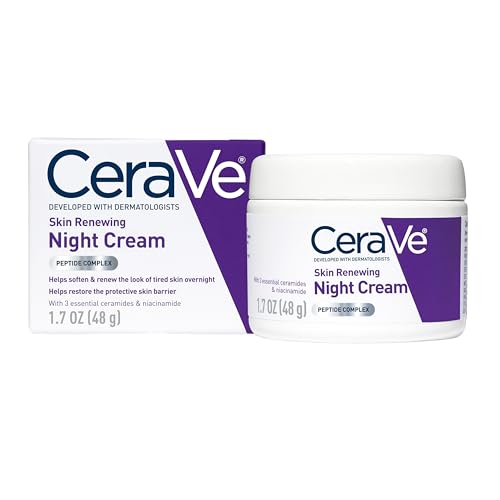

Understanding the Science of Sensitive Skin
To navigate retinol effectively, we must first understand the physiological reality of sensitive skin. It is not merely a subjective feeling of tightness; it is a scientifically defined state characterized by impaired skin barrier function and increased vascular reactivity. In sensitive skin, the lipid-rich matrix of the stratum corneum—the "mortar" holding skin cells together—is thinner and less organized. This deficiency leads to higher transepidermal water loss (TEWL) and allows irritants to penetrate deeper and faster than in resilient skin types.
When you introduce retinol, a potent vitamin A derivative, you are accelerating skin cell turnover. For sensitive skin, this rapid turnover can trigger a disproportionate inflammatory response, known as the "retinization" phase. This manifests as redness, peeling, and burning. The goal is not to avoid retinol, but to manage this phase by respecting the compromised barrier. If your skin barrier is already deficient in ceramides and fatty acids, aggressive retinol application will only exacerbate the permeability issues, leading to chronic irritation rather than anti-aging benefits.
Decoding Formulation: Encapsulation and Derivatives
In the luxury skincare market, price often correlates with formulation sophistication rather than just brand prestige. For sensitive skin, the delivery system is more critical than the raw percentage of retinol. Standard retinol is unstable and penetrates quickly, which can cause immediate irritation. High-end formulations often use encapsulation technology, where retinol molecules are wrapped in liposomes or microspheres. This delays the release of the active ingredient, allowing it to penetrate the skin gradually over several hours, significantly reducing the shock to the barrier.
Alternatively, look for gentler retinoid derivatives. Retinaldehyde (Retinal) converts to retinoic acid in two steps, offering a more controlled release than pure retinol. Even gentler are hydroxypinacolone retinoate (HPR), a third-generation retinoid that binds directly to retinoid receptors without needing conversion. While these derivatives may lack the decades-long clinical data of pure retinol, their safety profile for sensitive skin is superior. When evaluating a serum, check the ingredient list for these technologies rather than just looking at the concentration on the front label.
The Importance of Barrier Support Ingredients
A luxury retinol cream should never be a solitary active ingredient. It must be part of a supportive matrix. The most effective formulations for sensitive skin include high concentrations of barrier-repairing lipids. Look for ceramides (specifically Ceramide NP, AP, and EOP), cholesterol, and free fatty acids. These ingredients mimic the skin's natural lipid structure, helping to seal the "mortar" between skin cells and counteracting the drying effects of retinol.
Additionally, seek out soothing agents that mitigate inflammation. Niacinamide (Vitamin B3) is excellent for strengthening the barrier and reducing redness, while panthenol (Pro-Vitamin B5) and allantoin provide hydration and calming effects. Squalane is another critical ingredient; it is a bio-compatible oil that mimics human sebum, providing moisture without clogging pores. If a retinol product contains alcohol denat (denatured alcohol) high up in the ingredient list, avoid it. Alcohol strips the lipid barrier, making the skin far more susceptible to retinol irritation.
Strategic Application: The "Sandwich" Method
Even the best formulation can cause irritation if applied incorrectly. For sensitive skin, the "sandwich method" is a dermatologist-recommended technique to buffer the retinol and reduce penetration speed. This involves applying a layer of moisturizer first, then the retinol, and finally another layer of moisturizer. This simple adjustment can significantly reduce the incidence of redness and peeling without compromising the long-term efficacy of the treatment.
Preparation is equally critical. Before introducing retinol, ensure your skin is cleansed with a gentle, non-active cleanser. Avoid using any exfoliating acids (AHAs/BHAs) or physical scrubs on the night you apply retinol. Start with a low frequency—applying retinol only two nights a week—and gradually increase to every other night as your skin builds tolerance. This "start low and go slow" approach allows the skin barrier to adapt and thicken, reducing vascular reactivity over time.
Common Mistakes to Avoid
One of the most common errors is expecting immediate results. The "retinization" phase is a temporary adjustment period where skin undergoes peeling and redness as it adapts to accelerated cell turnover. It is not a permanent rejection of the ingredient. Many users abandon retinol during this phase, missing out on its long-term benefits. Consistency is key; it typically takes 12 weeks to see significant anti-aging improvements.
Another mistake is neglecting sun protection. Retinol increases photosensitivity, making the skin more vulnerable to UV damage. While retinol is an anti-aging powerhouse, it cannot work effectively if the skin is simultaneously being damaged by the sun. Use a high-end, broad-spectrum sunscreen daily. Look for mineral sunscreens with zinc oxide if chemical filters irritate your sensitive skin, as they provide a physical barrier and are less likely to cause stinging. Remember, luxury skincare is an investment; skipping sunscreen undermines the entire regimen.
Frequently Asked Questions
Can I use retinol if I have rosacea?
Proceed with extreme caution. While retinol can help with rosacea-related texture, it may trigger flare-ups. Consult a dermatologist first. If approved, start with the lowest possible concentration (0.1%) and use the sandwich method. Avoid products with fragrance or essential oils.
Is retinaldehyde better than retinol for sensitive skin?
Often, yes. Retinaldehyde converts to retinoic acid in two steps, which can result in a slower, more controlled release and less initial irritation compared to pure retinol. It is also more stable, though typically more expensive.
How long does the "retinization" phase last?
It typically lasts 2 to 6 weeks. During this time, you may experience dryness, peeling, and mild redness. If symptoms are severe, reduce frequency or pause use until the skin barrier recovers.
Should I use a retinol serum or a cream?
Creams are generally better for sensitive skin because they contain more emollients and occlusives that help buffer the retinol and prevent moisture loss. Serums often have higher penetration rates and fewer barrier-supporting ingredients.
Can I combine retinol with vitamin C?
It is generally recommended to use vitamin C in the morning and retinol at night. Vitamin C provides antioxidant protection during the day, while retinol works on repair at night. Combining them in the same routine can increase irritation risk for sensitive skin.
Choosing the right retinol for sensitive skin is about balancing efficacy with respect for your skin's biology. By focusing on encapsulated formulations, barrier-supporting ingredients, and a gradual introduction strategy, you can harness the power of retinol without compromising your skin's health. Start slow, prioritize your barrier, and let the science work in your favor.


