

How to Choose the Right Luxury Beauty Sets
Enhancing your skincare routine with a thoughtfully curated luxury beauty set can amplify your anti-aging results. The challenge lies in discerning value from mere branding—understanding the ingredients, formulation quality, and actual efficacy guarantees your investment delivers real, visible outcomes. Whether you’re eyeing a comprehensive set with retinol, Vitamin C, or targeted masks, making an informed choice ensures your skin receives what truly matters.
Our Top Picks
Affiliate disclosure: if you buy through these links, we may earn a commission at no extra cost to you.
As a seasoned esthetician, I emphasize that every component within these sets should adhere to high standards: potent actives, stable formulations, and ingredient concentrations that justify their price. In this guide, I’ll walk you through the essential considerations to confidently select luxury skincare sets that align with your skin’s needs and your investment expectations.
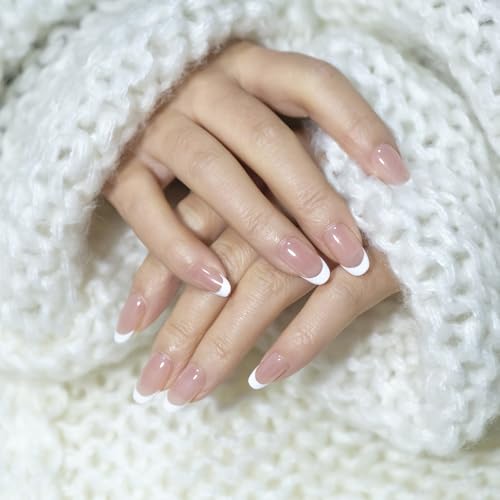
Handmade French Tip Press On Nails Medium Oval Shape Reusable Fake Nail Tips Nude Pink White Edge Nail Art Set for Women with Luxury Gift Box Manicure Kit(M)
$13.99Check PriceTable of Contents
Understanding Key Active Ingredients
When selecting a luxury skincare set, scrutinize the active ingredients—these are the core agents responsible for your results. For anti-aging, look for serums fortified with high-concentration retinol (ideally 0.3% to 1%), which stimulates collagen and cell turnover. Vitamin C serums should contain stabilized L-ascorbic acid at concentrations of 10-20%, ensuring potent antioxidant protection and brightening benefits.
Luxury sets often include face masks or moisturizers enriched with ingredients like hyaluronic acid for hydration, peptides for skin firmness, or botanical extracts for soothing. However, their efficacy depends heavily on formulation stability and ingredient concentration. A well-crafted set will clearly specify active levels—beware of vague marketing claims like "powered by antioxidants" without actual percentages.
Assessing Formulation Quality
Quality formulation is the hallmark of true luxury skincare. This means stable active ingredients that retain efficacy over the product's shelf life. For example, retinol should be encapsulated or formulated with stabilizers to prevent oxidation, while Vitamin C serums should use stabilized forms like magnesium ascorbyl phosphate or sodium ascorbyl phosphate to avoid degradation.
In addition, consider the base ingredients—luxury creams and masks should feature skin-nourishing emollients like squalane, ceramides, or high-grade botanical oils, not cheap fillers or silicones that may clog pores. An effective set balances active potency with vehicle quality to maximize absorption and results.
Evaluating Price-Per-Ounce & Concentrations
Luxury skincare can be expensive, but a higher price tag doesn't always mean better value. Calculate the cost per ounce and compare active ingredient concentrations. For example, if a $250 serum contains 1 oz with 15% Vitamin C, that’s a better value than a $300 serum at 0.5 oz with 5%.
Be wary of sets that include large quantities of less potent or irrelevant products—like overly luxurious masks or creams with minimal active ingredients—driving up cost without tangible benefits. Instead, choose sets where the concentration of active ingredients justifies the price, such as retinol creams with 0.5-1% of high-quality retinol, or vitamin C serums with at least 10% stabilized C.
Spotting Overpriced or Overhyped Products
Luxury brands often market with high price points, but not all that glitters is effective. Beware of products priced exorbitantly with vague claims or minimal actives—these often rely on branding rather than delivering real results. For instance, a "luxury" mask priced at $150 with a single botanical extract and no active ingredients is unlikely to produce anti-aging changes.
Compare labels: if a similarly marketed product contains active retinol or Vitamin C at effective concentrations, it may be more justified than a high-priced product with just moisturizing agents. Avoid hype-driven products that don't specify ingredient percentages or provide clinical evidence of efficacy.
Tailoring Your Set to Your Skin’s Unique Needs
Every skin type benefits from different active ingredients. If you're mature and looking to target fine lines, a set featuring a retinol or peptide-rich moisturizer is appropriate. For dullness and uneven tone, prioritize vitamin C serums and brightening masks. Sensitive skin may require soothing botanicals and lower concentrations of actives.
Luxury sets that offer customizable options or multi-purpose products give you flexibility. For instance, a serum with a blend of peptides and antioxidants can address multiple aging concerns simultaneously. Always read the product descriptions carefully to ensure the ingredients align with your skin’s specific needs.
Final Tips & Practical Advice
Choosing the right luxury skincare set is about more than brand prestige; it’s about ingredient integrity, formulation expertise, and your specific skincare goals. Invest in products that are transparent about their active concentrations and backed by proven results. Avoid impulse buys driven by high prices or luxurious packaging alone.
Start with core actives that address your primary concerns, then introduce complementary products gradually. Remember, consistency and patience are key—luxury skincare is an investment in your skin’s future, not just immediate gratification. When in doubt, consult with a dermatologist or trusted esthetician who can guide you toward products that truly deliver.
Next steps: identify your skin’s priorities, research brands with transparent formulations, and consider starting with a high-quality serum—then build a set tailored for your anti-aging journey.
Frequently Asked Questions
How do I know if a luxury serum is worth the price?
Check the active ingredient percentages, formulation stability, and ingredient sourcing. Products with high concentrations of proven actives at fair prices offer better value. Always compare cost-per-active percentage for clarity.
Can I mix products from different luxury brands?
Yes, as long as ingredients are compatible. Avoid combining strong retinol with harsh exfoliants or incompatible actives. Consult product guidelines and consider patch testing new combinations.
What ingredients should I avoid in luxury skincare?
Steer clear of unnecessary fillers, fragrances, and low-quality silicones. Also, avoid products that don't specify active concentrations or have dubious preservative systems.
Are multi-product luxury sets more cost-effective?
Potentially, but only if the set includes high-performing products with effective ingredient concentrations. Always evaluate each product's value individually rather than assuming the set offers savings.
How do I spot fake or counterfeit luxury skincare?
Buy only from authorized retailers or brand boutiques. Check for packaging quality, labeling details, and consistency with official product images. Price significantly below retail indicates a risk of counterfeits.
In summary, selecting a luxury beauty set demands a discerning eye for ingredients, formulation quality, and real results. Equip yourself with knowledge, prioritize transparency, and invest thoughtfully—your skin will thank you for it.


