

How to Choose the Right Dermatologist-Recommended Skincare
Our Top Picks
Affiliate disclosure: if you buy through these links, we may earn a commission at no extra cost to you.
The luxury skincare market is saturated with products that promise miracles but deliver mediocrity. Between viral TikTok recommendations, influencer-backed collections, and genuinely efficacious dermatologist-formulated lines, the decision paralysis is real—and expensive. Most people waste between $500–$2,000 annually on products that don't address their actual skin concerns because they're seduced by packaging, marketing, or simply following what everyone else is using.
Choosing dermatologist-recommended skincare isn't about buying the most expensive bottle on the shelf. It's about understanding active ingredient concentrations, recognizing formulation strategies that actually work, and making cost-per-efficacy decisions that respect both your skin and your budget. Over the next fifteen years in this industry, I've learned that the difference between a $200 serum and a $400 serum often isn't results—it's brand prestige and packaging. This guide cuts through that noise.
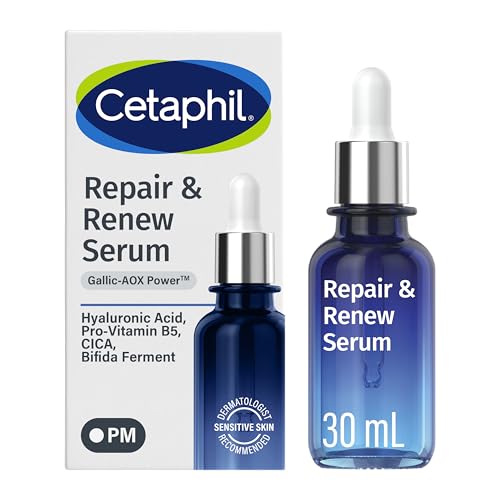
CETAPHIL Repair & Renew Night Serum for Stressed Sensitive Skin with Gallic Acid & Vitamin E, PM Face Serum, Repairs Skin Barrier Overnight, Dermatologist Recommended, 1 fl oz Dropper Bottle
$19.84Check Price
Table of Contents
Understanding What "Dermatologist-Recommended" Actually Means
First, let's be honest: "dermatologist-recommended" is not a regulated claim. Any skincare brand can print this on their packaging without a shred of clinical backing. What matters is whether dermatologists actually prescribe or endorse the product, and more importantly, whether clinical studies support its efficacy. A product formulated with input from dermatologists—meaning the dermatologist consulted on active ingredient percentages and stability—carries more weight than a product simply claiming endorsement.
True dermatologist-recommended products typically have published studies in peer-reviewed journals, real clinical data showing before-and-after results at specific timeframes, and transparent ingredient disclosure. Brands like Skinceuticals, Obagi, and ZO Skin Health have research backing their formulations. They don't just say retinol works—they publish studies showing it reduces fine lines by X percent in Y weeks at Z concentration.
When evaluating a product, ask yourself: Does this brand publish clinical data? Are dermatologists *actually* prescribing this, or just marketing it? Is there a stability guarantee for active ingredients? If you can't find evidence that answers these questions, the product is likely riding brand prestige rather than proven formulation.
Reading Ingredient Labels Like a Pro
The ingredient list on your skincare isn't optional reading—it's your contract with the product. In the U.S., ingredients are listed in descending order by weight, which means the first five ingredients comprise roughly 90% of the formula. Water (aqua) will almost always be first. What comes after tells you everything about product quality and intention.
For anti-aging serums, you're looking for potent actives positioned early in the list: vitamin C (L-ascorbic acid), niacinamide, peptides, or hyaluronic acid should appear in the top ten. For retinol creams, retinol or retinyl palmitate should be in the top six ingredients; if it's buried past the fifteenth ingredient, the concentration is cosmetically insignificant. Premium moisturizers should lead with humectants (glycerin, hyaluronic acid) or ceramides—not mineral oil or silicones as primary ingredients, though these have their place in proper formulation.
Pay attention to what's *not* in the ingredient list too. Products free from fragrance, essential oils, and high alcohol content are gentler on compromised skin barriers. Dermatologist-recommended products typically avoid unnecessary irritants. Also note the INCI name (International Nomenclature of Cosmetic Ingredients) versus marketing names—brands love using fancy names for common ingredients to justify premium pricing. Sodium hyaluronate and hyaluronic acid are functionally different (sodium hyaluronate is smaller and penetrates better), but both are affordable. If a brand charges $150 for a serum that's primarily these two ingredients, you're overpaying for packaging.
The Active Ingredient Concentration Game
This is where luxury skincare separates from genuinely effective skincare. An active ingredient is only effective at specific concentrations—below that threshold, it's mostly decorative. Vitamin C serums, for example, require 10–20% L-ascorbic acid to show measurable brightening and antioxidant effects. A serum with 2% vitamin C will do almost nothing, yet many luxury brands get away with this because consumers don't know the clinical minimums.
Retinol requires 0.25–1% concentration to trigger meaningful skin turnover and collagen synthesis; anything lower is ineffective for anti-aging purposes. Niacinamide effective at 4–5%. Hyaluronic acid needs to be paired with occlusive agents to prevent transepidermal water loss—a serum of pure hyaluronic acid in dry air will actually dehydrate your skin. This is why layering matters: a hyaluronic serum under a rich moisturizer works; the serum alone doesn't.
Luxury beauty sets often bank on this knowledge gap. They'll include a vitamin C serum (likely underdosed), a retinol cream (likely stabilized poorly), and a moisturizer, price the set at $450, and claim you're getting $600 in value. The individual products may have been $120, $180, and $150—and the bundle discount looks compelling until you realize you're buying underdosed actives at premium prices. Compare cost-per-ounce across individual products and sets; legitimately good sets offer 15–25% savings, not the 33% markups disguised as discounts.
Building a Stackable Routine That Works
The most expensive skincare fails when products aren't stackable. A well-formulated routine compounds results; a poorly designed one causes irritation or ingredient conflicts. Retinol and vitamin C at full strength in the same routine will damage your skin barrier. Niacinamide and vitamin C together can reduce vitamin C efficacy. Yet luxury brands love selling elaborate sets that assume you'll use everything simultaneously.
A realistic, stackable anti-aging routine is: cleanser → vitamin C serum (morning) → niacinamide serum (optional) → premium moisturizer → high-end sunscreen. At night: cleanser → retinol cream (2–3x weekly to start) → premium moisturizer with ceramides. This is $400–$800 total, not $2,000. High-end sunscreen ($60–$80) is non-negotiable because UV damage negates everything else. A $300 retinol cream paired with a $15 sunscreen is financial theater; UVA/UVB protection determines whether your anti-aging investment compounds or dissipates.
The ingredient spacing matters too. Use vitamin C in the morning, retinol at night. If you're using both, separate them by 12 hours minimum to avoid over-exfoliation and barrier compromise. Start retinol at the lowest concentration (0.25%) and the lowest frequency (once weekly) before escalating. Luxury face masks are excellent supplementary tools—weekly hydrating masks support barrier repair; weekly chemical exfoliating masks (if tolerated) accelerate cell turnover—but they're not replacements for core actives.
When to Splurge and When to Save
Not every skincare category warrants luxury pricing. Cleanser? Save. A $120 luxury cleanser removes makeup identically to a $15 pharmaceutical-grade option—cleansing isn't where active ingredients perform, so boutique pricing is pure brand tax. Toner or essence? Save. These are hydrating steps that work equally well at any price point if they contain glycerin or hyaluronic acid. Sunscreen? This depends: mineral sunscreens (zinc oxide, titanium dioxide) from luxury brands aren't meaningfully better than affordable pharmacy options. Chemical sunscreens sometimes differ, but the SPF protection is regulated by the FDA regardless of price.
Splurge on: Retinol cream, vitamin C serum, and premium moisturizer with advanced ceramide technology. These are where formulation complexity and active ingredient stability justify premium pricing. A well-formulated retinol cream at $200–$280 (like Obagi or ZO) will outperform a $60 retinol because stabilization matters—retinol degrades rapidly in light and air. Vitamin C serums above $120 typically use stabilized forms (like 3-O Ethyl Ascorbic Acid) that penetrate better and last longer than basic L-ascorbic acid. Premium moisturizers with peptide complexes and advanced ceramide ratios deliver visible firmness benefits that budget moisturizers don't.
Luxury face masks are discretionary—they're boosters, not necessities. A $90 hydrating mask is nice, but a $20 hydrating mask from Neutrogena or CeraVe performs similarly if formulation is sound. The exception: targeted treatment masks (resurfacing, intensive repair) from dermatologist brands sometimes justify higher pricing because active ingredient concentrations are clinically meaningful. A $140 ZO Offects resurfacing mask delivers meaningful exfoliation; a $40 drugstore exfoliating mask is gentler and better for sensitive skin—not necessarily worse, just different.
Red Flags That Signal Overpriced Mediocrity
Some luxury beauty sets and individual products are clever marketing masquerading as skincare science. Watch for these red flags: (1) Ingredient lists buried with water and silicones before any active ingredient appears—this means the product is mostly texture, not treatment. (2) Claims like "clinically proven" without linked data or journal citations. (3) Fragrance or essential oils as primary ingredients in "treatment" products—these are irritants, not actives. (4) Retinol positioned below the fifteenth ingredient; if it's that far
Start with a low concentration formula and look for products that include soothing ingredients like niacinamide or ceramides to buffer sensitivity. Always introduce retinol slowly, starting with twice a week, before increasing frequency as your skin builds tolerance. Calculate the cost-per-ounce by dividing the total price by the fluid ounces in the bottle, then compare this metric against other brands. A premium serum is often justified if it uses stable L-ascorbic acid at 15% concentration and includes effective antioxidants like ferulic acid. Yes, high-end sunscreens often provide superior broad-spectrum coverage and include additional anti-pollution or antioxidant benefits that lower-cost options lack. These formulations are designed to prevent photo-aging without leaving a white cast, making them essential for long-term skin health. Select hydrating clay or sheet masks with hyaluronic acid for dehydration, while opting for exfoliating enzyme masks if you need to address dullness. For anti-aging benefits, look for overnight sleeping masks rich in peptides and retinoids that repair skin while you sleep. Check the ingredient list for a high concentration of occlusives like squalane or shea butter alongside humectants such as glycerin. Avoid products with excessive fragrance or alcohol, which can compromise the barrier function that luxury moisturizers aim to strengthen. Dermatologist sets are often curated to ensure product compatibility and layering efficacy, which can save time on research. However, verify that the included items contain potent actives like stable vitamin C or encapsulated retinol rather than just marketing fluff. Luxury sets can offer value if they include full-sized versions of high-potency serums and creams rather than small travel sizes. Assess whether the specific actives in the set address your unique skin goals better than standalone products you already own.Frequently Asked Questions
How do I choose the right retinol cream for anti-aging without irritating my skin?
What is the best way to calculate if a luxury vitamin C serum is worth its high price tag?
Is it worth investing in a high-end sunscreen for daily anti-aging protection?
How do I choose between different types of luxury face masks for specific skin concerns?
What is the best method to evaluate formulation quality in premium moisturizers?
How do I determine if a dermatologist-recommended skincare set is better than buying individual products?
Is it worth paying a premium for luxury beauty sets compared to building a routine with single products?


