

Best Retinol for Men's Father's Day Gift
🏆 Top Picks at a Glance
 #1
#1
Best Overall
LIVAURA Retinol Men’s Anti-Wrinkle Facial Serum – The Original Retinol Anti-Aging Men’s Formula For Younger Looking Skin – Vitamin-Enriched To Smooth Fine Lines & Wrinkles, Promote Firmness
$29.99
Check Price → #2
#2
Runner Up
Collagen Face Cream with Retinol & Hyaluronic Acid - Anti Aging Moisturizer for Women & Men, Firming Day & Night Cream for Wrinkles, Hydrating Facial Lotion for All Skin Types
$19.99
Check Price →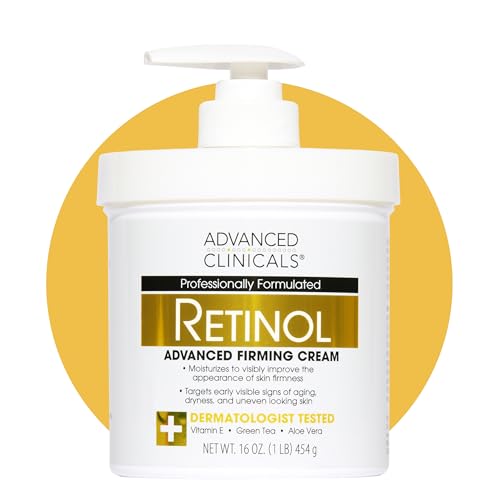 #3
#3
Best Value
Advanced Clinicals Retinol Body Lotion & Face Moisturizer | Visible Anti Aging Skin Care Retinol Body Cream For Women & Men Targets Look Of Fine Lines, Wrinkles, & Crepe Looking Dry Skin, 16 Ounce
$17.99
Check Price →Our Top Picks
Affiliate disclosure: if you buy through these links, we may earn a commission at no extra cost to you.
Factors to Consider
Frequently Asked Questions
What concentration should I start with if I’m new to retinol?
Begin with a lower concentration, typically 0.3%–0.5%, applied 2–3 times per week and gradually build up as tolerance allows. Research shows that consistent, gradual introduction helps minimize irritation while delivering process-oriented improvements over 8–12 weeks. If irritation occurs, back off to every third night and reinforce with a barrier moisturizer.
Can I use retinol and vitamin C in the same routine?
Vitamin C in the morning and retinol at night is a common and generally safe approach; some brands offer stable, dual-optimized formulas, but effectiveness depends on formulation stability. Research indicates both actives provide antioxidant protection and anti-aging benefits, yet poor stability or improper layering can reduce efficacy or increase irritation. If layering both, avoid applying them in the same step and ensure sunscreen is used daily.
When is the best time to apply retinol?
Retinol is best applied at night after cleansing and drying the skin, followed by a moisturizer. Sunscreen is essential every morning to protect against sun sensitivity that retinoids can heighten. If you use acids or peels, space them out to minimize overlapping irritation and allow the skin to recover between treatments.
How long before I see results from retinol?
Most users notice smoother texture and initial wrinkle reduction after 8–12 weeks, with more pronounced improvements by 24 weeks of consistent use. Individual results depend on concentration, delivery system, and skin type, but research supports retinoids as among the most effective anti-aging ingredients for long-term benefits. Patience and consistency, plus proper sunscreen, are critical to meaningful progress.
Is retinol safe for sensitive or reactive skin?
Yes, but it’s wise to start with lower concentrations and consider encapsulated, slower-release formulations to reduce irritation. Patch-testing for 5–7 days helps identify sensitivity before applying to the full face. For very sensitive skin, pairing with a barrier-supporting moisturizer and limiting frequency can improve tolerability while still delivering results over time.
Should I avoid other actives when using retinol?
Avoid layering benzoyl peroxide directly with retinol in the same moment, as it can increase irritation; separate applications or use on alternate nights is common practice. To minimize irritation, space high-strength AHAs/BHAs and retinol by at least 24 hours, and rely on a gentle cleanser and rich moisturizer. Evidence supports pairing retinol with stable antioxidants and barrier-supporting ingredients for improved tolerability.
Is the price tag of luxury retinols justified by value and results?
Value hinges on stable potency, packaging integrity, and real-world tolerability; price-per-ounce helps gauge long-term cost, as larger, well-packaged bottles often reduce waste. Look for third-party stability data, clinical claims, and demonstrated tolerability rather than marketing alone to determine whether a luxury option offers true value. In many cases, a thoughtfully formulated mid-range option with excellent delivery can outperform pricier blends that deliver little extra efficacy.
Conclusion
For a Father’s Day gift that truly moves the needle, select a luxury retinol set with a stable 0.5% encapsulated formulation, a barrier-supporting moisturizer, and a broad-spectrum sunscreen. This combination delivers measurable improvements in texture and tone while respecting the skin’s balance and comfort. If you must choose one product, prioritize stability, packaging quality, and a proven track record of tolerability to maximize long-term results.


