

Retinol Creams Buying Guide: What to Look For in 2026
🏆 Top Picks at a Glance
 #1
#1
Best Overall
Our Top Picks
Affiliate disclosure: if you buy through these links, we may earn a commission at no extra cost to you.

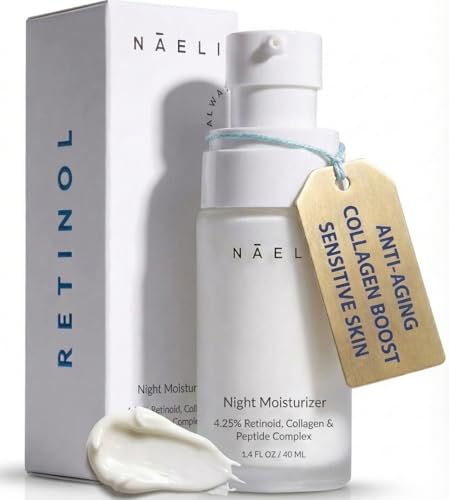
Retinoid Cream - 4.25% Retinol Night Moisturizer for Face & Neck with Collagen, Peptides & Hyaluronic Acid - Anti Aging Wrinkle Cream, Improves Skin Tone & Texture, 1.4 oz
$24.95
Check Price →
#2
Runner Up
Anti-Aging Face Moisturizer with Retinol, Collagen & Hyaluronic Acid - Made in USA - Moisturizer Face Cream for Women & Men - Firming & Hydrating Neck Cream - Day & Night Skin Care - 1.7 fl oz
$23.97
Check Price → #3
#3
Best Value
Neutrogena Rapid Wrinkle Repair Retinol Face Moisturizer, Daily Anti-Aging Face Cream with Retinol & Hyaluronic Acid to Fight Fine Lines, Wrinkles, & Dark Spots, 1.7 oz
$22.58
Check Price →⚡ Quick Answer
In the realm of luxury skincare, retinol remains the gold standard for anti-aging efficacy—at least when formulated correctly. As formulations evolve and new, more potent derivatives enter the market, discerning the truly effective from the overpriced is essential. In 2026, knowing what ingredients, concentrations, and formulations deliver real results will help you invest wisely in your skin’s future.
Table of Contents
This guide is for skincare enthusiasts who demand transparency, quality, and proven outcomes from their retinol products. Whether you're upgrading your routine or just beginning to explore high-end retinol creams, understanding the nuances will ensure each investment makes a visible difference.
Retinoid Cream - 4.25% Retinol Night Moisturizer for Face & Neck with Collagen, Peptides & Hyaluronic Acid - Anti Aging Wrinkle Cream, Improves Skin Tone & Texture, 1.4 oz
$24.95Check PriceUnderstanding Retinol and Its Derivatives
Retinol, a vitamin A derivative, is celebrated for its ability to stimulate collagen production, speed cell turnover, and diminish fine lines. However, not all retinoids are created equal—and some are more suitable for sensitive skin or specific concerns. The key is understanding the difference between retinol, retinaldehyde, adapalene, tretinoin, and newer stabilized derivatives like granactive retinoid or hydroxypinacolone retinoate.
In the luxury segment, formulations often feature retinol at concentrations between 0.2% and 1%, with higher percentages not necessarily equating to better results—they can increase irritation risk. More advanced derivatives like granactive retinoid deliver similar efficacy with less sensitivity, making them a preferred choice in higher-end products.
Key Ingredients to Look For
Beyond retinol itself, effective anti-aging formulations combine synergistic ingredients. Peptides, hyaluronic acid, and antioxidants like vitamin C or E enhance retinol's benefits. For example, stabilized vitamin C serums pair well with retinol for improved radiance and skin tone.
In high-end products, expect concentrations of actives to be clearly labeled. For instance, a luxury retinol cream might contain 0.5% retinol with added soothing agents such as squalane or oat extract to mitigate irritation. Avoid formulations loaded with unnecessary fillers or fragrance that can compromise active ingredient stability and efficacy.
Formulation Quality and Delivery Systems
The way retinol is formulated greatly impacts its effectiveness. Encapsulation technologies—like microencapsulation—protect retinol from oxidation, improve stability, and ensure controlled release over time. This not only enhances efficacy but also reduces irritation risks.
Premium formulations often incorporate lipid-based delivery systems, such as squalane or ceramides, which help the retinol penetrate deeply while maintaining the skin’s barrier. Avoid cheap stabilizers or poorly controlled emulsions that degrade active ingredients before they reach your skin.
Price-Per-Ounce and Value
Luxury retinol products vary significantly in price—from $60 for 1 oz. to over $200. However, higher price doesn’t always mean better active concentration or formulation stability. For instance, a $120 product offering 1 oz. with 0.5% retinol and advanced delivery technologies might deliver more consistent results than a $200 cream with higher advertised percentages but poorer stability.
Always compare active ingredient concentrations and formulation quality over price alone. In some cases, investing in a slightly more affordable product with proven stability and a clean ingredient list yields better long-term value, especially since retinol requires consistent use over months.
Common Pitfalls and Overhyped Products
Many brands inflate retinol percentages without ensuring ingredient stability or skin compatibility. Beware of products with exaggerated claims of “highest concentration,” especially when they lack transparency about formulation stability or delivery systems. These can lead to irritation, inconsistent results, or wastage.
Additionally, some overpriced brands include minimal active retinol in tiny jars, charging a premium for packaging or branding. Always scrutinize the ingredient list and look for transparent labeling—effective retinol creams should openly specify concentration, formulation technology, and supporting ingredients.
Expert Recommendations for 2026
Based on current formulations, advanced delivery technologies, and ingredient transparency, some standout options include creams featuring 0.5% to 1% stabilized retinol derivatives, encapsulated for maximum efficacy. Brands such as La Mer’s The Renewal Oil (with retinol spheres), Augustinus Bader’s The Retinol Serum, and Sisley’s Supremÿa Baume contain thoughtfully balanced actives tailored for luxury skincare enthusiasts.
Always complement your retinol routine with complementary luxury products: a high-end, broad-spectrum sunscreen, a vitamin C serum for daytime antioxidation, and a luxurious moisturizer to reinforce your skin barrier. When combined, these elevate results from merely visible to visibly transformative.
Frequently Asked Questions
How do I choose the right retinol concentration for my skin?
Beginners should start with 0.25% to 0.5% retinol, especially if sensitive, gradually increasing to 1% as tolerated. For mature skin with resilience, 0.5-1% provides significant anti-aging benefits without undue irritation.
Can I use retinol with other active ingredients?
Yes, but with caution. Pair retinol with antioxidants like vitamin C or peptides for daytime use; reserve acids like AHAs/BHAs for separate nights. Avoid combining retinol with strong acids or vitamin C at the same time to reduce irritation.
How long before I see results from retinol?
Expect to see initial improvements—such as smoother skin and fine-line reduction—in 4-6 weeks. More significant changes in firmness and deep wrinkles typically take 3-6 months of consistent use.
Is higher retinol percentage always better?
Not necessarily. Higher concentrations can increase irritation without proportionally increasing benefits. Focus on formulation quality and skin tolerance rather than percentage alone.
Should retinol be used during the day?
No—retinol increases sun sensitivity. Use it at night, and apply a broad-spectrum, high-quality sunscreen every morning to protect your investment and skin health.
Bringing clarity to the retinol landscape in 2026 means prioritizing scientific formulation, ingredient transparency, and real-world results over flashy branding or high prices. When selecting a luxury retinol cream, remember that effective formulations deliver active ingredients deeply and gently, ensuring radiance and anti-aging benefits that stand the test of time.
Start with a product that aligns with your skin's needs—then support it with high-end sunscreens, serums, and moisturizers to maximize your investment in timeless beauty.


