

Best Luxury Skincare For Glowing Summer Skin And F
🏆 Top Picks at a Glance
 #1
#1
Best Overall
Luxé 24K Gold 5-Piece Skincare Set – Organic Collection with Gold Toner, Essence Milk Serum, Hyaluronic Acid, Collagen, Retinol, Kojic Acid & Vitamin C – Radiance & Luminous Glow for All Skin Types
$55.0
Check Price → #2
#2
Runner Up
NAD+ Retinol Collagen Serum for Face: Anti-Aging Peptide Serum, Tightens Skin, Reduces Wrinkles & Fine Lines, Hydrating Serum for Radiant Glow 1.7 fl.oz
$21.99
Check Price →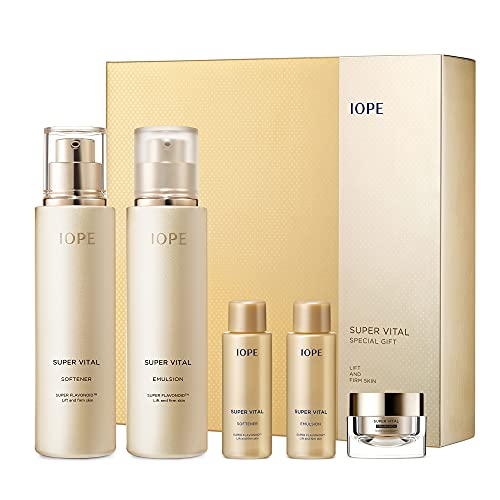 #3
#3
Best Value
IOPE Super Vital Skin Care Set - Luxury Korean Skincare Gift Set for Anti Aging, Including Face Toner, Lotion and Moisturizer for Wrinkle Care - Facial Care Kit for All Skin, for Hydration & Lifting
$149.0
Check Price →Our Top Picks
Affiliate disclosure: if you buy through these links, we may earn a commission at no extra cost to you.
Factors to Consider
Frequently Asked Questions
What's the best time to introduce retinol for summer, and won't it increase sun sensitivity?
Retinol increases photosensitivity, so ideally introduce it in late summer or early fall; if you're starting now, begin with a low concentration (0.3-0.5%) two to three times weekly, always paired with SPF 50+ and applied only at night. The increased sun sensitivity is temporary and manageable with diligent sun protection—retinol's collagen-boosting and texture-refining benefits are worth the precaution.
Can I layer vitamin C serum with other actives without irritation?
Yes, but timing matters: apply stabilized vitamin C (L-ascorbic acid) in the morning before other actives, as it's most effective at a lower pH and works synergistically with sunscreen. Avoid layering vitamin C with niacinamide or retinol on the same day initially; once your skin is acclimated (after 4-6 weeks), controlled layering is safe, though alternating morning and evening application is typically gentler.
Why do luxury face masks cost $50+ when drugstore alternatives exist?
Premium masks often deliver higher concentrations of active ingredients and use advanced delivery systems (like encapsulation technology) that enhance penetration and stability, while drugstore versions rely on thickening agents and fragrance to feel luxurious. That said, price doesn't always correlate with results—a $20 hydrating mask with 5% niacinamide and hyaluronic acid will outperform a $60 mask with 1% of the same actives and marketing language.
How do I know if a luxury sunscreen will pill under makeup?
Test the sunscreen's texture alone first: silicone-based and gel formulas typically layer better under primer and foundation than mineral or oil-rich formulas, which cause pilling. Apply a pea-sized amount to clean skin, wait two minutes for it to set, then apply your primer—if it balls up or feels tacky, it won't work under makeup regardless of price.
What's the difference between a luxury moisturizer and a mid-range one?
Luxury moisturizers typically offer higher concentrations of humectants (glycerin, hyaluronic acid) and occlusive ingredients, plus stabilized actives like peptides or squalane in more sophisticated formulations. However, a well-formulated $40 moisturizer with 3-5% glycerin and ceramides will hydrate as effectively as a $200 option; the premium is often justified only by inclusion of rare actives (like bakuchiol or advanced peptide complexes) backed by clinical studies.
Is it worth buying luxury skincare sets versus individual products?
Sets occasionally offer modest savings (10-15%) but often pair hero products with filler items you won't use, inflating perceived value. Buy sets only if every item addresses a specific concern—for example, a complete retinol routine with serum, cream, and SPF is logical—and verify you'd purchase each product individually before committing to the bundle price.
How long should I wait to see results from high-end anti-aging serums?
Hydrating serums show results within 1-2 weeks (plumped, dewy skin), while active serums like vitamin C require 4-8 weeks for visible brightening, and retinol needs 8-12 weeks for collagen remodeling and fine line reduction. Patience and consistency matter more than price; a $50 retinol used faithfully will outperform a $300 alternative used sporadically.
Conclusion
Summer glow isn't about the price tag—it's about matching the right actives to your skin's needs and committing to consistent, evidence-based use. The most luxurious skincare routine combines a stabilized vitamin C serum for brightening, a retinol product for collagen support, a lightweight moisturizer with peptides, and unwavering SPF 50+ protection, whether those products cost $60 or $300 each.
Before adding to cart, verify active concentrations, calculate price-per-ounce, and prioritize formulations with clinical backing over influencer hype—your skin (and wallet) will thank you.


