

Best Luxury Skincare for Glowing Skin
🏆 Top Picks at a Glance
 #1
#1
Best Overall
Glown 6-Piece Hydrating Skincare Set with Vitamin C & Niacinamide,Complete Face & Body Care Kit with Cleanser,Toner,Serum,Moisturizer,Eye Cream & Body Lotion | Valentine’s Day Skincare Gift for Women
$27.99
Check Price →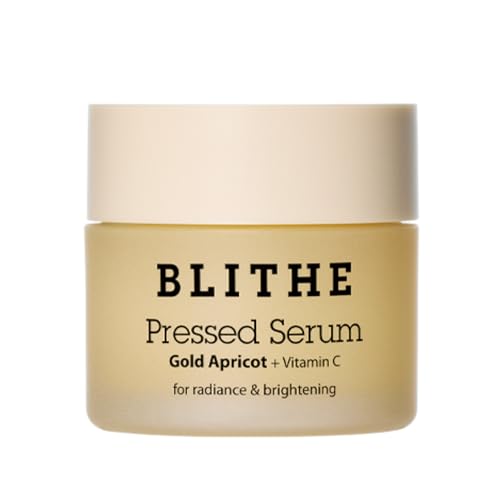 #2
#2
Runner Up
BLITHE Pressed Serum Gold Apricot With Kojic Acid & Vitamin C | Glow Serum for Face | Glass Skin Korean Skincare & Face Moisturizer for Dry Skin, 0.91 fl oz
$21.0
Check Price → #3
#3
Best Value
OSEA Undaria Algae Body Oil 5 oz – Visibly Firming, Deeply Moisturizing, Instantly Improve Elasticity, Clean Lightweight Non-Greasy Hydration, Vegan & Cruelty-Free Seaweed Skincare
$52.0
Check Price →Our Top Picks
Affiliate disclosure: if you buy through these links, we may earn a commission at no extra cost to you.
Factors to Consider
Understanding luxury skincare ingredients
⚡ Quick Answer
Luxury brands often invest in higher‑quality, targeted actives—stabilized vitamin C derivatives, pure retinoids, medical‑grade peptides and encapsulated hyaluronic acid—that address specific concerns rather than just hydrate. Look for clear ingredient lists with concentrations or clinical data; claims without ingredient transparency usually signal marketing, not efficacy. The market trend shows luxury formulations frequently include higher active concentrations, which can translate to more visible results when the actives are bioavailable (source: InStyle).
Table of Contents
Active concentration and price‑per‑ounce
Price is only meaningful when paired with active concentration: compare price‑per‑ounce alongside the percentage of key ingredients (for example, L‑ascorbic acid percentage in vitamin C serums or retinol strength). Many high‑end jars are expensive because of packaging and scent, not ingredient strength—avoid products that are pricey yet list actives low on the ingredient deck. If a product costs substantially more than competitors but doesn’t disclose concentrations or clinical data, it’s likely overpriced for the results it delivers.
Texture, absorption and layering compatibility
Luxury formulations should be sensorial without sacrificing performance—silky emollients are fine so long as they don’t block penetration of serums or active treatments. Consider how a product layers: lightweight, fast‑absorbing serums (vitamin C, hyaluronic acid) should go under richer creams like La Mer Crème de la Mer or Augustinus Bader’s The Cream. For multi‑active routines, test one product at a time to avoid irritation and ensure each active is delivering results.
Choosing targeted actives: Vitamin C, retinol and peptides
Select actives based on measurable goals: stable L‑ascorbic acid or MAP for brightening, microencapsulated retinol for nightly renewal, and peptides for structural support. Vitamin C serums are widely recommended for brightening and anti‑aging benefits; retinol creams are best used at night to enhance skin renewal (expert guidance). If you want immediate visible improvement plus long‑term rejuvenation, look to clinically supported formulas like Augustinus Bader’s The Cream for moisture and skin‑surface improvement and proven retinoids for cellular turnover.
Sunscreen and preventative investment
Daily sunscreen isn’t optional—dermatologists consistently rank it as the single most important anti‑aging product, and it should be the final step of any luxury routine. Many luxury regimes focus on restorative creams and serums, but without daily SPF those gains are undermined. Consumers report that investing in luxury skincare often pays off in long‑term skin health and appearance, so prioritize a broad‑spectrum SPF alongside your high‑end actives (source: Who What Wear).
Frequently Asked Questions
Is luxury skincare worth the price?
In many cases yes—studies and industry reporting indicate luxury formulas often use higher concentrations of active ingredients and clinical backing, which can yield better long‑term results than drugstore options (source: InStyle; Who What Wear). That said, value comes from ingredient transparency and measurable actives, not packaging or prestige alone—look for disclosed concentrations and peer‑reviewed claims.
How do I compare price‑per‑ounce across luxury products?
Divide the retail price by the volume to get price‑per‑ounce, then weigh that against the concentration of the key actives and any clinical data. A larger jar with lower active percentages can be a worse value than a smaller bottle with potent, proven ingredients—always prioritize active strength over vanity metrics.
Should I use retinol every night?
Experts recommend using retinol at night to support cellular turnover and combat aging, but frequency depends on strength and skin tolerance—start with every other night and build to nightly as tolerated. If you’re using prescription‑strength retinoids or combining other exfoliants, consult a dermatologist to avoid over‑irritation (expert guidance).
Can a rich moisturizer replace a serum?
Generally no—serums deliver concentrated actives in lightweight vehicles designed for penetration, while moisturizers focus on barrier support and hydration. Luxury creams like Crème de la Mer or Augustinus Bader’s The Cream are excellent for restoration and immediate improvement, but they’re most effective when layered over targeted serums (e.g., vitamin C, retinol) for comprehensive results.
Are vitamin C serums worth adding to my routine?
Yes—vitamin C serums are widely recommended for brightening and anti‑aging benefits and are one of the most evidence‑backed topical antioxidants. Choose stable formats and appropriate concentrations; pairing a morning vitamin C with daily SPF maximizes photoprotection and brightening over time (key fact from research context).
What should I look for in a luxury face mask?
Prioritize masks with clear active purposes: resurfacing (AHA/BHA at safe concentrations), hydrating (glycerin, hyaluronic acid, ceramides), or barrier‑repair (niacinamide, peptides). Luxury masks should state active concentrations or clinical outcomes; avoid products that rely on scent and texture alone without documented ingredient efficacy.
Are there luxury products I should avoid buying just for the name?
Yes—some high‑price items trade sensory pleasure and branding for minimal active concentration. If a product is expensive but buries actives low in the ingredient list or offers no clinical data, you’re paying mainly for brand prestige rather than performance. Prioritize formulations that disclose concentrations and show measurable results rather than picking solely on reputation.
Conclusion
Invest in luxury skincare that prioritizes proven actives and transparency over packaging and prestige: compare price‑per‑ounce against active concentrations, use retinol at night, and make daily sunscreen non‑negotiable. For reliable, immediate improvement plus long‑term benefits, consider clinically supported staples like Augustinus Bader’s The Cream for moisturization and targeted serums (vitamin C, retinol) chosen for their concentrations and bioavailability.


