

Best High-End Sunscreens for Sensitive Skin in Spring 2026
🏆 Top Picks at a Glance
 #1
#1
Best Overall
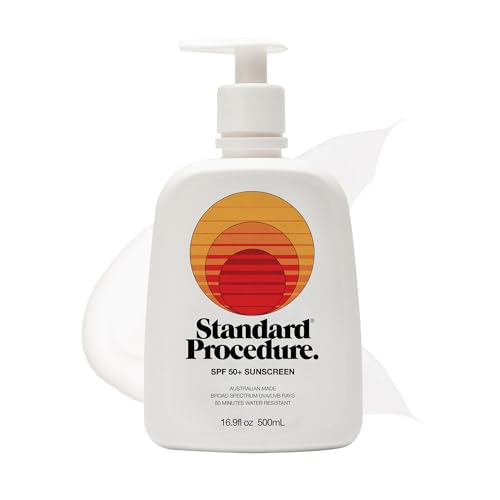
Standard Procedure. SPF 50+ Sunscreen, Broad Spectrum Face & Body Sunblock for Sun-Sensitive Skin, 4HR Water Resistant, Organic Formula, 16.9 oz
$49.99
Check Price → #2
#2
Runner Up
Good Weather Skin The One Daily Sun Cream SPF 30 – Hydrating Facial Sunscreen with Zinc, Niacinamide, Squalane & Sea Buckthorn | Mineral Daily Sun Protection for Face & Neck, Sensitive Skin Safe, 1 oz
$48.0
Check Price → #3
#3
Best Value
Prequel Skin Solar Shade - Moisturizing Face Sunscreen SPF 46 PA++++ Broad Spectrum UV Protection. Hydrating Sunblock for Dry Skin. Lightweight Travel Size Sun Protection, 1.7oz
$24.99
Check Price →Our Top Picks
Affiliate disclosure: if you buy through these links, we may earn a commission at no extra cost to you.
Factors to Consider
Sensitivity-first ingredient standards
⚡ Quick Answer
For reactive or easily irritated skin, start with fragrance-free formulas and a slim ingredient list. Avoid essential oils, menthol, and aggressive preservatives; look for gentle options commonly labeled fragrance-free or hypoallergenic. Dermatology research supports fragrance-free formulations as safer for sensitive skin, reducing irritant dermatitis risk. If you wear actives like retinoids, choose a sunscreen that won’t sting on contact.
Table of Contents
Filter type and broad-spectrum protection balance
Choose a sunscreen with true broad-spectrum coverage that protects against UVA and UVB. Mineral filters such as zinc oxide and titanium dioxide are generally gentler on sensitive skin and rosacea-prone complexions, with reviews noting lower irritation risk. If you prefer chemical filters, patch-test first since individual sensitivities vary. Ensure SPF 30+ and verify robust UVA coverage in the product description.
Formulation quality: texture, finish, and skin-supporting ingredients
Texture matters for comfort; opt for lightweight emulsions, gel-cream textures, or mineral bases that absorb without a chalky or heavy residue. Look for barrier-supporting ingredients such as glycerin, hyaluronic acid, ceramides, and squalane that help maintain moisture while you wear sunscreen. Non-comedogenic formulations are preferable for sensitive skin prone to breakouts, and airless packaging can help preserve delicate filters and antioxidants. Practice shows that formulas with barrier-supporting actives tend to feel gentler on first use.
Value and price-per-ounce: assessing the luxury premium
Luxury sunscreens often come in smaller ounces and premium packaging, so price-per-ounce becomes a key comparison. For example, a 1.7 oz bottle at $68 translates to roughly $40/oz, which can be reasonable when matched against filter quality and skin-tolerance benefits. Consider overall formulation quality, stabilizers, and packaging when judging value—sometimes the premium is justified by better tolerability and longer-lasting wear. Don’t assume higher price guarantees better results; read ingredients and patch-test results to judge real-world performance.
Daily regimen: layering with actives and makeup
If you use retinoids or vitamin C serums, apply actives first and allow them to absorb fully before sunscreen. Apply sunscreen as the final step and allow it to set before makeup to avoid pilling. Research supports compatible layering when products are fragrance-free and barrier-supporting; avoid filters that conflict with certain actives. Reapply every two hours outdoors, and choose a formula with a convenient application method that won’t disturb makeup.
Frequently Asked Questions
What should I look for in a sunscreen if I have sensitive skin?
Prioritize fragrance-free formulas with a short, gentle ingredient list and minimal risk of irritants. Patch-test on the inner forearm for 24–48 hours before first full-face use. Dermatology guidance consistently emphasizes fragrance-free options as safer baselines for sensitive skin.
Mineral vs chemical filters: which is better for sensitivity?
Mineral filters like zinc oxide and titanium dioxide are generally gentler on sensitive or rosacea-prone skin and tend to cause fewer irritations in many users. If you prefer chemical filters, choose well-tolerated blends and patch-test, since individual sensitivities vary.
Is fragrance-free enough, or should I look for “hypoallergenic” as well?
Fragrance-free reduces irritants, but “hypoallergenic” is not strictly regulated and can vary by brand. Always read ingredient lists for known triggers and consider patch-testing even with products labeled hypoallergenic.
Can I wear sunscreen daily under makeup, especially with actives like retinol or vitamin C?
Yes—apply actives first, then sunscreen as the final layer; choose a sunscreen that sits well under makeup and doesn’t pill. Retinoids and some vitamin C formulations increase photosensitivity, so a stable, fragrance-free sunscreen with barrier-supporting ingredients is advisable. Reapply sunscreen during the day if you’re outdoors for extended periods.
What SPF and UVA protection level is recommended for daily use?
For daily wear, dermatologists typically recommend broad-spectrum SPF 30 or higher. UVA protection is crucial for long-term aging prevention; ensure the product provides solid UVA coverage and reapply as needed when outdoors.
How do I compare price-per-ounce across luxury brands?
Calculate price-per-ounce by dividing the price by the ounce content, and consider filter quality, presence of barrier-supporting ingredients, and packaging. A higher upfront cost may reflect better tolerability and stability, but always verify ingredient quality and patch-test results rather than relying on prestige alone.
Do premium sunscreens with added antioxidants justify the price?
Some formulas include antioxidants like vitamin C or E that can offer additional protection against oxidative stress, but they should not replace effective UV filters. Research indicates antioxidants can provide modest supplementary benefits, yet concentrations and stability vary; prioritize reliable filters and skin-friendly base formulas in sensitive skin.
Conclusion
Spring 2026’s best high-end sunscreens for sensitive skin pair clean, fragrance-free formulas with gentle, effective filters and barrier-supporting ingredients. Prioritize price-per-ounce, patch-test results, and compatibility with your retinol or vitamin C routine, then choose a formula that wears invisibly under makeup. My recommendation: select a mineral-filter option with ceramides or squalane to protect and soothe your skin while delivering durable sun protection.


