

Best High-End Sunscreens for Everyday Use on Sensitive Skin in Spring 2026
Our Top Picks
Affiliate disclosure: if you buy through these links, we may earn a commission at no extra cost to you.

Factors to Consider
Ingredient type and skin-sensitivity considerations
⚡ Quick Answer
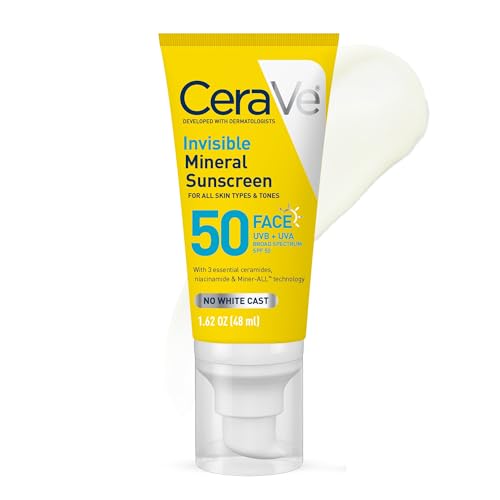
Mineral filters (zinc oxide and titanium dioxide) tend to sit on the surface of the skin and are often better tolerated by sensitive skin, reducing the likelihood of irritation or stinging. When possible, opt for formulations that use non-nano zinc oxide, which many dermatologists prefer for its reassuring safety profile and dependable UVA/UVB coverage. Avoid adding fragrance, essential oils, or aggressive alcohols in the same product to protect the skin barrier and minimize red flags for contact dermatitis. In practice, a lightweight mineral sunscreen can layer cleanly under serums and makeup without increasing residue or pilling.
Table of Contents
Broad-spectrum protection and SPF level for daily use
Choose a broad-spectrum sunscreen with an SPF of 30 or higher to ensure consistent protection against UVA and UVB rays during everyday outdoor exposure. Regulatory labeling in many markets requires broad-spectrum indication for SPF claims, which helps you compare products more reliably. For prolonged outdoor activity, consider higher SPF with robust UVA protection, while reapplication every two hours remains the most important real-world safeguard. If a product claims water resistance, check whether the label specifies 40 minutes or 80 minutes of endurance and reapply after those intervals or after towel-drying.
Texture, finish, and fragrance-free formulations
Texture matters for daily wear: a fast-absorbing, non-greasy finish that leaves little to no white cast is ideal for under makeup and in spring light. Fragrance-free formulas reduce the risk of irritant-induced flare-ups, a crucial consideration for reactive or compromised skin. Look for emulsions or gel-creams described as lightweight, cushiony, or satin-matte, so you can layer serums and actives without pilling. Finally, select a formula that complements your skin tone across seasons to avoid the need for heavy adjustments in complexion products.
Value, packaging, and price-per-ounce considerations
Premium sunscreens often come in smaller sizes with higher price-per-ounce, but packaging quality matters for stability: airless pumps, opaque tubes, and UV-blocking materials help preserve actives and prevent oxidation. Compute price-per-ounce to assess real value; many luxury options run roughly $40–$70 for 1.7–2 oz, which translates to about $23–$40 per ounce depending on the brand and formulation. In evaluating value, prioritize stability, proven broad coverage, and a finish you will actually wear daily over a glossy bottle alone. Poorly stabilized formulas degrade faster once opened, wasting product and diminishing protection.
Frequently Asked Questions
Mineral vs. chemical sunscreen: which is better for sensitive skin?
For sensitive or reactive skin, mineral filters like zinc oxide (and sometimes titanium dioxide) are typically better tolerated because they are less likely to cause stinging or irritation. Fragrance-free formulations with mineral filters are a common recommendation from dermatologists for reducing flare-ups and contact dermatitis risk. Patch testing remains prudent when trying a new product, especially if you have a history of sensitivity.
What SPF and UVA/UVB protection should I look for in daily sunscreen?
Aim for broad-spectrum protection with SPF 30 or higher for everyday use, which aligns with contemporary dermatology guidelines. Broad-spectrum labeling ensures coverage against both UVA and UVB rays; higher SPF does not replace reapplication, so you should reapply every two hours when sun exposure is ongoing. If you’re outdoors for extended periods, consider products with higher UVA protection and, if applicable, a stated water resistance rating of 40 or 80 minutes.
Do I need sunscreen indoors or near windows?
Yes. UVA rays can penetrate glass, contributing to photoaging even when you’re indoors or commuting by car. Daily sunscreen remains important because incidental exposure accumulates over time. If you’re in front of a window for several hours, keep an easy-to-reapply option on hand and refresh coverage as needed.
Can I layer sunscreen with other actives like vitamin C or retinol?
Yes, but in the proper order: apply vitamin C in the morning under sunscreen to maximize antioxidant protection, then finish with sunscreen. Retinol or other retinoids are generally used at night; using them in the morning is not typical. For sensitive skin, introduce actives gradually, patch-test first, and allow each layer to absorb before applying sunscreen to avoid pilling or irritation.
How should I evaluate price-per-ounce and overall value?
Price-per-ounce is a practical way to compare lujoogs: divide the price by the container’s ounce size to reveal true cost. Luxury formulations often justify higher per-ounce prices with improved texture, stability, and finish, but not every premium bottle delivers superior protection or tolerance. Prioritize proven broad-spectrum coverage, stable packaging, and a finish you will wear daily over appearance alone.
Are tinted or color-correcting sunscreens worthwhile for sensitive skin?
Tinted sunscreens can simplify your routine by providing pigment coverage while delivering SPF, which is convenient for a polished complexion. Ensure the tint is fragrance-free and that the product still suits sensitive skin without causing irritation. If you are fragrance-sensitive, test the tint on a small area before full-face use to confirm tolerance.
How should I store sunscreen to maintain efficacy?
Store sunscreen in a cool, dry place away from direct sunlight and heat, which can degrade filters and alter texture. Opened products typically have a shelf life of 6–12 months, though some luxury formulas may tolerate a bit longer if kept cool and capped tightly. Always check the product’s official guidance on shelf life after opening and discard if the texture or odor changes.


