Best Anti-Aging Serums for Everyday Use
Best Anti-Aging Serums for Everyday Use
In a market flooded with anti-aging claims and a plethora of products, choosing the right serum can be a game-changer. High-quality serums with potent active ingredients, properly balanced formulations, and transparent labeling deliver real results—more youthful, radiant skin that withstands the test of time. Skipping the hype and focusing on ingredients like retinol, vitamin C, and peptides ensures your daily routine is effective and worth the investment.
This guide clarifies what to look for and highlights luxury options that truly deliver, helping you navigate the premium skincare landscape confidently. When selecting a serum, pay close attention to ingredient concentrations, formulation integrity, and price-per-ounce to avoid overpaying for superficial luxury without results.
Table of Contents
- Understanding Active Ingredients in Anti-Aging Serums
- Retinol: The Gold Standard for Skin Renewal
- Vitamin C Serums: Brightening and Collagen Boosting Power
- Peptides and Growth Factors: Modern Anti-Aging Allies
- Luxury Formulation Quality Versus Price: Investing Wisely
- Practical Tips for Incorporating Serums into Daily Routine
Understanding Active Ingredients in Anti-Aging Serums
The foundation of effective anti-aging serums lies in their active ingredients—compounds proven to stimulate collagen production, reduce fine lines, and improve skin texture. Top-tier formulations feature high-potency actives delivered in stable, bioavailable forms. For instance, stabilized vitamin C (such as L-ascorbic acid at a concentration of 10-20%) can neutralize free radicals and boost collagen synthesis. Similarly, pure retinol or its derivatives at appropriate concentrations (0.3-1%) accelerate cellular turnover while minimizing irritation when properly formulated.
Quality matters: look for serums with transparent ingredient lists, minimal fillers, and delivery systems that optimize skin penetration—think encapsulation and stabilized systems. Price-per-ounce is a valuable metric; a serum with 15% vitamin C and an effective retinol at 0.5% isn’t necessarily expensive if ingredients are concentrated and formulation is elegant. Beware overpriced products that dilute active ingredients or rely heavily on branding; they often do not justify the premium cost.
Retinol: The Gold Standard for Skin Renewal
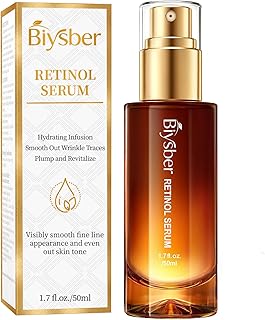
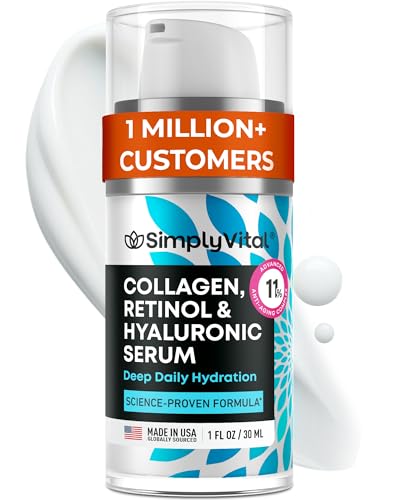
Retinol remains the most researched and effective over-the-counter active for aging skin. It promotes cellular turnover, improves skin elasticity, and diminishes the appearance of fine lines and hyperpigmentation. In choosing a retinol serum, consider concentration, formulation stability, and delivery system. A high-quality retinol serum may contain 0.3-0.5%, balancing efficacy and skin tolerance, especially for beginners.
Formulations using encapsulated retinol or controlled-release technologies tend to minimize irritation, making daily use more feasible. It's also wise to select products with antioxidant or soothing agents (like niacinamide or bisabolol) to buffer potential dryness or sensitivity.
Vitamin C Serums: Brightening and Collagen Boosting Power
High-potency vitamin C serums serve both cosmetic and protective roles. By scavenging free radicals from UV and pollution exposure, they prevent oxidative damage. At the same time, vitamin C stimulates collagen synthesis, improving skin firmness and radiance. For consistent daily use, select stable formulations with a minimum of 10-20% L-ascorbic acid or its derivatives such as ethyl ascorbate or magnesium ascorbyl phosphate, which offer better stability and skin absorption.
Luxury serums often incorporate additional antioxidants like vitamin E or ferulic acid, which synergize with vitamin C to enhance stability and efficacy. It’s crucial to store these products in opaque, airtight bottles to preserve potency.
Peptides and Growth Factors: Modern Anti-Aging Allies
Peptides, small chains of amino acids, signal skin cells to produce more collagen and elastin. Look for products with ingredients like palmitoyl pentapeptide-4 or copper peptides; these have demonstrated benefits in epidermal regeneration and visible wrinkle reduction. Growth factors, although more complex, are increasingly available in luxury formulations, signaling skin renewal at a cellular level.
Because peptides are delicate, ensure formulations are kept in sealed, stabilized environments. The efficacy of peptide serums depends on proper concentration—generally 2-10%—and correct pH levels to maximize skin absorption.
Luxury Formulation Quality Versus Price: Investing Wisely
In the luxury skincare space, a common pitfall is paying for branding rather than potency. High-end serums should be transparent about active concentrations, use premium delivery systems, and avoid unnecessary fillers or synthetic fragrances. For instance, a serum priced at $150 for 1 oz might seem expensive but could contain a high percentage of stabilized active ingredients and sophisticated delivery technology—offering better results per dollar.
Conversely, some overpriced products simply inflate the price with luxe packaging or endorsements, providing minimal additional benefit. Always check the ingredient list—formulation integrity is what counts—and compare active percentages with other brands at similar price points.
Practical Tips for Incorporating Serums into Daily Routine
To maximize anti-aging benefits, integrate serums thoughtfully into your skincare routine. Apply lightweight, water-based serums immediately after cleansing to allow active ingredients to penetrate effectively. Follow with a moisturizer to seal in the active compounds and lock moisture.
In the morning, include a high-quality antioxidant serum, then finish with a high-end mineral or physical sunscreen to protect from UV damage—an essential step for anyone concerned about aging. At night, prioritize retinol or peptides for cellular renewal, adjusting frequency based on skin tolerance. Consistency is key: daily use with proper layering yields noticeable improvements over time.
Frequently Asked Questions
Can I combine retinol and vitamin C in my routine?
Yes, but consider using vitamin C in the morning and retinol at night. If combining in the same routine, wait at least 15-20 minutes after applying vitamin C before applying retinol to prevent potential irritation and maximize absorption.
How do I choose the right concentration of retinol?
Start with 0.3-0.5% if you’re new to retinol. For more mature skin or advanced signs of aging, up to 1% can be effective. Always introduce retinol gradually and observe how your skin reacts.
Are luxury serums worth the investment?
When formulated with high-quality, stable active ingredients and advanced delivery systems, premium serums can be worth it. Focus on formulation transparency and active concentrations rather than branding alone.
How long before I see results from anti-aging serums?
Visible improvements typically appear after 4-6 weeks of consistent use, with optimal results evident after 12 weeks. Patience and adherence are crucial, especially with active ingredients like retinol and peptides.
Can sensitive skin tolerate retinol?
Yes, but start with lower concentrations, apply every third night, and incorporate soothing ingredients. Consider formulations with encapsulated retinol or alternative derivatives like retinaldehyde.
Should I prioritize price-per-ounce or active ingredient potency?
Both matter. Prioritize formulations with proven active concentrations and stable delivery systems, then compare price-per-ounce to ensure you're not overpaying for superficial luxury.
In the realm of luxury skincare, choosing the right anti-aging serum is about informed investment—balancing ingredient quality, formulation integrity, and your skin’s unique needs. Focus on efficacy over hype, and your skin will thank you with a more youthful, radiant appearance. Start with proven staples like stabilized vitamin C, retinol, and peptides, and discover the transformative power of well-formulated serums.
Top Picks for This Topic
As an Amazon Associate we earn from qualifying purchases at no extra cost to you.