

Use Retinol for Men
In OTC retinols, potency typically spans roughly 0.2% to 1%. For men new to retinoids, starting around 0.25–0.3% helps you build tolerance without heavy irritation. If your skin tolerates it after 6–8 weeks, you can consider stepping up to 0.5% or 0.6% on alternating nights. Remember, higher concentration isn’t always better news—progress often comes from consistency and sensible ramping rather than simply chasing strength.
Table of Contents
Our Top Picks
Affiliate disclosure: if you buy through these links, we may earn a commission at no extra cost to you.

Factors to Consider
Retinol potency, concentration, and starting point
Delivery system, packaging, and texture
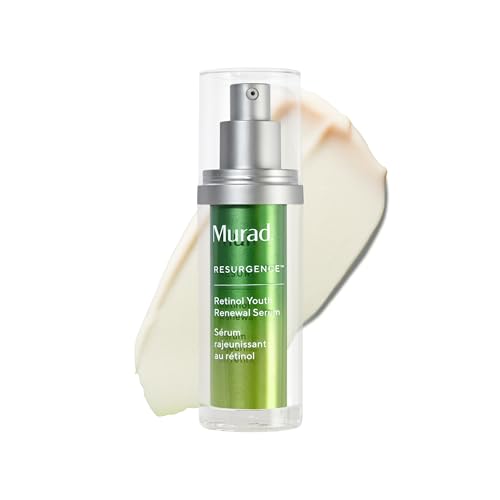
Encapsulated or stabilized retinol formulations tend to be gentler on the skin and more stable over time, a key factor in luxury products. Look for packaging that protects from air and light—airless pumps or UV-protected bottles—since oxidation can degrade potency. For men, a fast-absorbing serum or a lightweight cream that layers under a premium moisturizer will feel less heavy after shaving and daily activities.
How to layer retinol with other actives
Most routines place retinol at night and sunscreen at first light, due to increased photosensitivity. If you use vitamin C, many experts advise applying it in the morning and retinol at night to avoid potential instability or irritation; if you must combine, select stable, gentle formulas and introduce them gradually. Niacinamide can help soothe irritation for some users, but avoid aggressive combinations like benzoyl peroxide in the same moment if you’re just starting out.
Value, price-per-ounce, and real-world results
Luxury retinol serums typically range from about $110 to $180 for a 1 oz bottle, translating to roughly $110–$180 per ounce. Real-world results hinge on consistent nightly use, sun protection, and the formulation’s stability and emollients; many men report smoother texture and reduced fine lines after 8–12 weeks. If a product commands a premium price with only a minimal retinol load or lackluster packaging, evaluate whether the extra cost is truly translating to better stability and feel, not just brand prestige.
Frequently Asked Questions
What retinol concentration should I look for if I'm just starting?
Begin with a low- to mid-range OTC retinol, typically around 0.25–0.3%. Apply 2–3 nights per week initially, then gradually increase frequency as your skin acclimates. Ramping slowly helps minimize irritation while still delivering long-term collagen remodeling benefits observed in clinical studies over 12 weeks.
Is it better to use retinol at night or in the morning?
Retinol is conventionally used at night because it can increase photosensitivity. Always pair nightly use with a broad-spectrum sunscreen (SPF 30+) during the day to protect treated skin. This approach aligns with dermatology guidance and helps protect against UV-driven pigment changes while retinol works.
Can I use a vitamin C serum with retinol in the same routine?
Many savvier routines separate them—vitamin C in the morning and retinol at night—to preserve stability and minimize irritation. If you prefer to layer, choose stable formulations with compatible pH levels and introduce gradually. Research supports the value of both actives but notes irritation can occur if overused together for sensitive skin.
How can I minimize irritation when starting retinol?
Begin with a pea-sized amount on clean, dry skin and consider applying a gentle, ceramide-rich moisturizer afterward. If irritation persists, reduce frequency to every other night and reassess after a few weeks. Clinical experience shows such conservative starts reduce flare-ups while still delivering eventual improvements in texture and tone.
Do luxury retinol products really perform better than drugstore options?
Premium formulations often emphasize stability, airless packaging, and higher-grade emollients, which can improve feel and tolerance. However, efficacy ultimately depends on concentration, formulation stability, and consistent use. Some well-formulated drugstore retinols can approach the results of luxury options, so compare ingredient lists, packaging, and per-ounce cost rather than brand name alone.
Which moisturizer should I pair with retinol for a luxury routine?
Opt for a ceramide- and lipid-rich moisturizer that provides barrier support without clogging pores. A richer night cream helps buffer irritation on the first months of use, while a lighter day moisturizer keeps skin comfortable under sunscreen. In studies, barrier-supportive moisturizers improve tolerability and assist with longer-term retinoid benefits.
How long before I’ll see real results from retinol?
Most users notice texture improvements within 6–12 weeks, with more pronounced reductions in fine lines and pigmentation after 12 weeks or longer. Consistency, sun protection, and formula stability are key drivers of these timelines in clinical settings and dermatology guidance.
Conclusion
For men seeking a luxurious, effective retinol routine, prioritize a stable formulation in the 0.25–0.5% range, with protective packaging and a barrier-supporting moisturizer. Pair nightly retinol with diligent day-time SPF, and monitor your skin’s tolerance as you progress—results reward patience and consistency. I recommend starting with a tested 0.3% option from a reputable luxury line and evaluating price-per-ounce alongside real-world feel and stability over the first eight weeks.


