

Use Retinol Creams Safely
Active concentration and formulation quality fundamentally shape results and tolerability. In OTC retinol creams, concentrations typically range from 0.1% to 1%; for most first-time users, 0.3%–0.5% offers a balance of noticeable anti-aging benefits with moderate irritation risk. Luxury formulas often pair retinol with soothing antioxidants, ceramides, and humectants, and may use encapsulation or liposomal delivery to improve stability and gentleness. Always read the ingredient deck for calming agents like glycerin, squalane, or niacinamide that can cushion irritation while preserving efficacy.
Table of Contents
Our Top Picks
Affiliate disclosure: if you buy through these links, we may earn a commission at no extra cost to you.


Factors to Consider
Concentration, formula quality, and delivery system
Packaging, stability, and storage
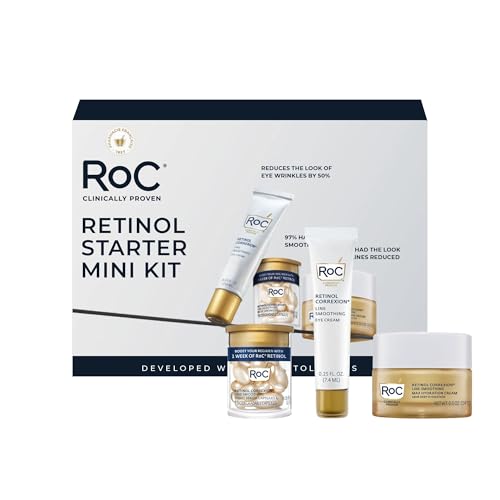
Packaging matters because retinol degrades with light and air. Favor opaque bottles or airless pumps to preserve potency; jars are more prone to oxidation and potency loss. Encapsulated retinol or slow-release systems can deliver gentler, more consistent results on sensitive skin. Check storage recommendations and shelf-life; luxury packaging should align with potency retention without inflating price due to visuals alone.
Usage rules, layering, and actives compatibility
Retinol is best deployed in a night routine; start with 2–3 nights per week and build up as tolerance allows. If you use vitamin C or exfoliating acids, separate them by time or by day to avoid potential pH conflicts. Some studies indicate spacing preserves both actives' stability and reduces irritation; in practice, consistent use for 8–12 weeks yields visible improvements in fine lines and texture.
Value, price-per-ounce, and suitability
Value in retinol comes from potency, packaging, and proven results, not merely brand prestige. To compare, calculate price-per-ounce and weight; for example, a 1 oz formula at $120 is $120/oz, while a 1.7 oz option at $160 is about $94/oz, often delivering better long-term value with similar actives. Look for stabilization packaging and thoughtful ingredients—these are reliable indicators that a luxury product will deliver consistent results over time.
Frequently Asked Questions
What retinol concentration should I start with as a beginner?
Begin with a lower concentration, such as 0.25–0.3%, or opt for retinaldehyde if you have very sensitive skin. Patch test for 24–48 hours before applying to the full face, and start with 1–2 nights per week. Gradually increase frequency to 3–4 nights as your skin builds tolerance over 4–8 weeks.
How often should I apply retinol?
Apply retinol at night after cleansing and drying your skin. Start with 1–2 nights per week and gradually increase to 3–4 nights as tolerated over 4–8 weeks. If irritation occurs, back off to every other night and consider a lighter concentration.
Can I use retinol with vitamin C in the same routine?
Most dermatologists advise separating the actives: use vitamin C in the morning and retinol at night. If you insist on combined timing, space applications by several hours or choose a formulation designed for stability at similar pH. Evidence suggests spacing improves tolerability without sacrificing anti-aging benefits.
Should I wear sunscreen when using retinol?
Yes. Retinol increases photosensitivity, so daily broad-spectrum SPF 30+ is essential regardless of season. Consistent sun protection enhances long-term results and reduces the risk of pigmentary changes during treatment.
What packaging indicates stability and quality?
Look for opaque or UV-filtered packaging with an airless pump; jars and clear bottles accelerate potency loss. Some formulations use encapsulated retinol or slow-release delivery, which often correlates with gentler tolerability and steadier results. Always verify storage recommendations and expiration dates.
How can I minimize irritation when starting retinol?
Choose a gentle, fragrance-free formula and consider applying moisturizer before or after retinol to create a buffer. Avoid using other drying or exfoliating actives (like strong AHAs/BHAs) on the same night during the initial weeks. If redness or peeling persists, reduce frequency or revert to a lower concentration.
Is encapsulated retinol really better?
Encapsulation can improve stability and deliver retinol more gradually, often reducing redness and peeling for sensitive skin. Real-world results vary with the overall formulation and individual skin type, so test both encapsulated and non-encapsulated options to see which suits you best.


