

Best Luxury Vitamin C Serums for Brightening and Hyper-Pigmentation Correction in Spring 2026
🏆 Top Picks at a Glance
 #1
#1
Best Overall
Vichy LiftActiv Vitamin C Serum For Face, Brightening Serum With 16% Pure Vitamin C + Hyaluronic Acid + Vitamin E, Improves Radiance & Firmness, Anti Aging, Protects Skin From Discoloration
$34.99
Check Price → #2
#2
Runner Up
Bliss Vitamin C + Tri-Peptide Bright Idea Serum – 15% Brightening + Barrier Boost Complex for Radiant, Firm Skin – Anti-Aging Face Serum Boosts Collagen & Elasticity - 1 fl oz
$27.3
Check Price →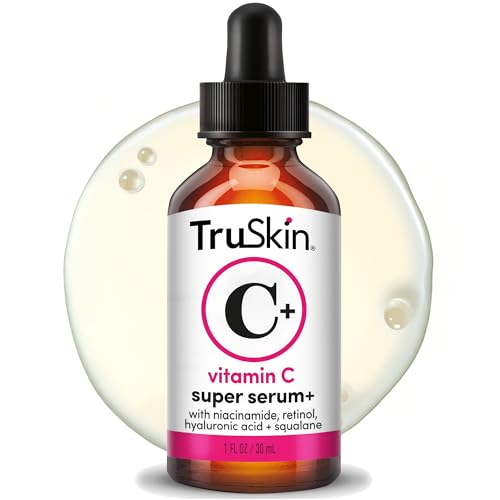 #3
#3
Best Value
TruSkin Vitamin C Super Serum for Face - Five Skin Benefits in One Serum with Vitamin C, Retinol, Niacinamide, Hyaluronic Acid & Squalane - Brighten, Firm & Smooth the Look of Skin - 1 fl oz
$24.79
Check Price →Our Top Picks
Affiliate disclosure: if you buy through these links, we may earn a commission at no extra cost to you.
Factors to Consider
Formulation Type: L-ascorbic acid vs. derivatives
⚡ Quick Answer
For the strongest pigment correction and brightening, a true L-ascorbic acid (LAA) serum at 10-20% is most backed by clinical data, especially when paired with ferulic acid. Derivatives (such as magnesium ascorbyl phosphate or tetrahexyldecyl ascorbate) tend to be gentler and better tolerated by sensitive skin, but they often require higher concentrations or longer timelines to approach LAA’s pigment-targeting results. In a luxury formula, you’ll commonly see a hybrid approach that preserves stability while delivering noticeable brightening within 8-12 weeks.
Table of Contents
Concentration and pH: what actually matters
Concentration matters: 10-20% LAA is the range most associated with clinically meaningful improvements in hyperpigmentation and radiance. A pH around 3.0-3.5 optimizes stability and skin penetration for LAA, while higher pH erodes potency. Ferulic acid at 0.5-1% is a common and proven enhancer that also stabilizes the formula against oxidation.
Stability and packaging: protecting valuable actives
Stability hinges on both formulation and packaging. Airless pumps or opaque, UV-blocking glass dramatically reduce light and air exposure, preserving potency for longer and reducing degradation by a meaningful margin. Real-world results depend on storage: keep products away from heat and light to maintain efficacy between uses.
Delivery systems and synergy with other actives
Delivery systems (liposomes, encapsulation, or advanced emulsions) can improve penetration without increasing irritation, which matters for luxury formulations aimed at multi-acid routines. Pairing vitamin C with ferulic acid and vitamin E is a classic, well-supported synergy that enhances antioxidant protection and stabilizes the oil- or water-based matrix. Some formulations blend antioxidants and gentle exfoliants to promote even pigment reduction while maintaining comfort.
Value, price-per-ounce, and buying smart
Calculate price-per-ounce and weigh it against potency and packaging quality. A serum that delivers 15-20% LAA in a stable, well-packaged bottle and demonstrates real-world improvement at 8-12 weeks often delivers superior value despite a higher upfront price. Be wary of eye-catching “20%” claims paired with weak packaging or opaque performance data; true value ships with proven concentration, stable pH, and robust packaging that preserves potency.
Frequently Asked Questions
Which form of vitamin C is best for brightening and hyperpigmentation?
In most cases, 10-20% L-ascorbic acid with 0.5-1% ferulic acid in a stable, low-pH formula yields the strongest evidence for pigment correction and brightness. Derivatives like magnesium ascorbyl phosphate are gentler and better tolerated by sensitive skin, but they often require longer use to match LAA results. If you have pigmentation concerns and a non-irritated routine, a well-formulated LAA serum is typically the most efficient option.
Is 20% vitamin C safe for sensitive skin?
Higher concentrations can cause stinging and irritation for some skin types, especially if the formula is not well stabilized or the pH isn’t ideal. If you have sensitive or reactive skin, start with 10% or try a derivative formula, then increase gradually while monitoring tolerance. Patch testing is prudent with any high-potency vitamin C product.
Can I use vitamin C with retinol?
Yes, you can, but many dermatologists recommend using vitamin C in the morning and retinol at night to minimize irritation. If you want to layer them, apply vitamin C first in a thin layer, allow it to absorb, and then apply sunscreen; wait a bit between products and consider alternating days if irritation arises. Some newer formulas aspire to combine both actives in a single step, but tolerance varies by individual.
How long before I see results from a vitamin C serum?
Pigmentation improvements typically emerge over 8-12 weeks of consistent use, with brighter skin and more even tone often evident earlier. The full pigment-correcting effect often requires several months of steady application, especially for deeper hyperpigmentation. Real-world consistency matters as much as potency.
Are vitamin C derivatives truly less effective than L-ascorbic acid?
Derivatives tend to be more stable and less irritating, which makes them appealing for sensitive skin, but they often require longer to achieve similar pigment correction as LAA. If your goal is dramatic hyperpigmentation reduction, a formula with LAA (plus ferulic acid) tends to show stronger results—provided the packaging and pH preserve stability. In practice, many luxury products blend derivatives with stable LAA to balance efficacy and tolerability.
Does packaging affect potency and shelf life?
Yes. Air exposure and light exposure accelerate vitamin C degradation. Premium brands invest in airless pumps, UV-impermeable glass, and opaque packaging, which can meaningfully preserve potency over time. Proper storage away from heat and light further extends the serum’s effective life after opening.
How should I store and discard opened vitamin C serum?
Store in a cool, dark place and use within the opened-life window recommended by the brand (often 3-6 months for LAA-based formulas). If the serum changes color, develops an off scent, or you notice increased irritation, discard it. Maintaining a fresh, properly stored bottle is key to consistent results.


