

Best Anti-Aging Serums for Everyday Use
🏆 Top Picks at a Glance
 #1
#1
Best Overall
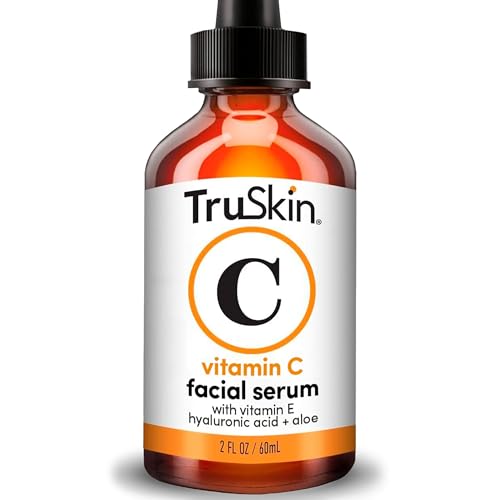
TruSkin Vitamin C Serum for Face – Anti Aging Face Serum with Hyaluronic Acid & Vitamin E – Brightening Formula for Improving Appearance of Dark Spots, Fine Lines & Wrinkles – All Skin Types, 2 Fl Oz
$38.99
Check Price →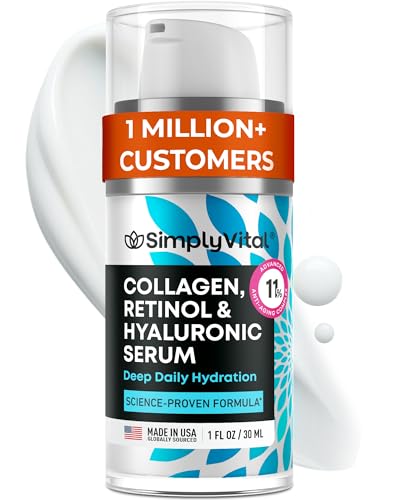 #2
#2
Runner Up
SimplyVital Collagen, Retinol & Hyaluronic Acid Serum - Anti-Aging Moisturizer for Face, Neck & Décolleté - Made in USA, Deep Moisturizing Skin Care Complex - Hydrating Facial Serum for Women, 1 fl.oz
$19.97
Check Price → #3
#3
Best Value
The Ordinary Multi-Peptide + Copper Peptides 1%, Anti-Aging Serum for Fine Lines and Skin Elasticity, 1 Fl Oz
$32.0
Check Price →Our Top Picks
Affiliate disclosure: if you buy through these links, we may earn a commission at no extra cost to you.
Factors to Consider
Active Ingredient Potency and Formulation Quality
⚡ Quick Answer
When selecting an anti-aging serum, prioritize stable forms of actives and a delivery system that preserves potency. OTC retinol commonly appears in 0.3-1% concentrations; encapsulated forms or esterified retinoids (like granactive retinoid) tend to be better tolerated while delivering results over time. For vitamin C, prefer L-ascorbic acid at 10-20% with stable packaging and, if possible, with ferulic acid for enhanced stability. Be wary of serums that sacrifice potency for a longer ingredient list or use low-grade carriers that limit skin delivery.
Table of Contents
Stability, Packaging, and Shelf Life
Packaging matters as light and air degrade many actives. Choose opaque or amber bottles with airless pumps for vitamin C and retinoids to minimize oxidation. Look for expiration dates and store the product cool and away from direct sunlight to extend its efficacy after opening. Proper storage and robust packaging together protect performance between uses.
Skin Type, Tolerance, and Layering
Sensitive skin benefits from a slow introduction and lower concentrations. For retinol, start with 0.3-0.5% and a few nights per week, then increase as tolerance allows. If layering actives, use vitamin C in the morning and a retinoid at night, with hydrating ingredients like glycerin or hyaluronic acid to cushion irritation. If persistent irritation occurs, switch to encapsulated retinoids or a gentler derivative and stagger actives to avoid overlapping high acidity.
Value, Price-Per-Ounce, and Selecting Worthwhile Luxury Serums
Price per ounce helps compare value across luxury lines. A 1-ounce bottle at $120 is $120/oz; a 1.6-ounce bottle at $180 works out to about $112/oz. Don’t assume higher price equals better actives—check the actual percentages, stability claims, and packaging. If a brand hides concentrations behind a marketing statement, you may be paying for prestige rather than performance.
Evidence and Real-World Results
Among OTC anti-aging actives, retinoids and vitamin C have the strongest evidence for improving wrinkles, texture, and brightness. Clinical data indicate retinoids can increase collagen production and reduce roughness after several months of use. Vitamin C at 10-20% concentrations provides antioxidant protection and supports collagen synthesis, with improvements often seen after 8-12 weeks. Choose products with transparent ingredient disclosure and, when possible, dermatologist-backed formulations.
Frequently Asked Questions
What should I look for in a vitamin C serum?
Seek a formula with 10-20% L-ascorbic acid, a low-pH environment (typically under 3.5) for potency, and protective packaging (amber glass or opaque pumps). Clinical studies suggest this range delivers antioxidant benefits and helps support collagen synthesis, with better results when stability is maintained through proper packaging and storage.
Is retinol safe for daily use?
Most people should start with 2-3 nights per week and a low concentration (0.3-0.5%), then gradually increase as tolerance allows. Studies show retinoids can improve fine lines and skin texture over months, but irritation risk rises with higher concentrations or inconsistent use. Build a routine slowly and always follow with a moisturizer to cushion the skin.
How do I compare price-per-ounce when buying luxury serums?
Calculate price per ounce by dividing the bottle price by its fluid ounce equivalent (e.g., 30 ml equals about 1 oz). Compare actives delivered per dollar by scrutinizing the stated percentage of the active and the quality of the formulation, not just the sticker price. Keep in mind packaging and stability claims, which affect real-world usage and value.
Can I use vitamin C and retinol together, or should I alternate?
In practice, many people benefit from using vitamin C in the morning and retinol at night to respect each active’s pH needs. Some brands combine them, but performance can be erratic if the formulation doesn’t preserve stability; if layering, introduce slowly and monitor for irritation. If you must co-use, look for products designed for daytime vitamin C and nighttime retinoid use with compatible pH and buffers.
Are encapsulated retinoids less irritating?
Encapsulated or derivative retinoids often offer better tolerability while delivering similar anti-aging benefits, particularly for sensitive skin. Some formulators report comparable results with lower irritation, though real-world speed of results may vary. Start with a small amount and adjust frequency before increasing exposure.
Do fragrance-free formulas matter for anti-aging serums?
Fragrance can trigger irritation or sensitization, especially with actives like retinol. If you have sensitive or reactive skin, opting for fragrance-free formulations reduces the risk of irritation and helps maintain consistent use. This is a practical consideration that often impacts long-term adherence and results.
How long before I see results from an anti-aging serum?
Most users notice texture and radiance improvements within 4-8 weeks, with more noticeable changes in wrinkles and firmness typically after 12 weeks or longer, depending on the active and concentration. Retinoids generally show steady gains over several months, while vitamin C provides more immediate antioxidant benefits and slow-but-sure collagen support.


